
50+ Species You’ll See During Peak Fall Migration
If you’re serious about birding, you’ve probably heard about the Rio Grande Valley. But do you know why it’s called the “Birding Capital of North America”?
The answer is simple: More bird species concentrate in Rio Grande Valley than anywhere else in the United States.
In fact, you can see 50-60 different bird species in a single week during fall migration—more than most birders see in an entire year.
Why Rio Grande Valley? The Numbers
| 497+ | 50-70 | November | #1 |
| Total bird species | Species visible in one week | Peak migration | Best in North America |
Rio Grande Valley sits at a critical crossroads during fall migration. It’s where migratory birds traveling from Canada stop to rest and refuel. Here you’ll find resident species that stay year-round and tropical species from Mexico that appear nowhere else in the continental US.
The Most Stunning Birds You’ll See
🟨 Great Kiskadee
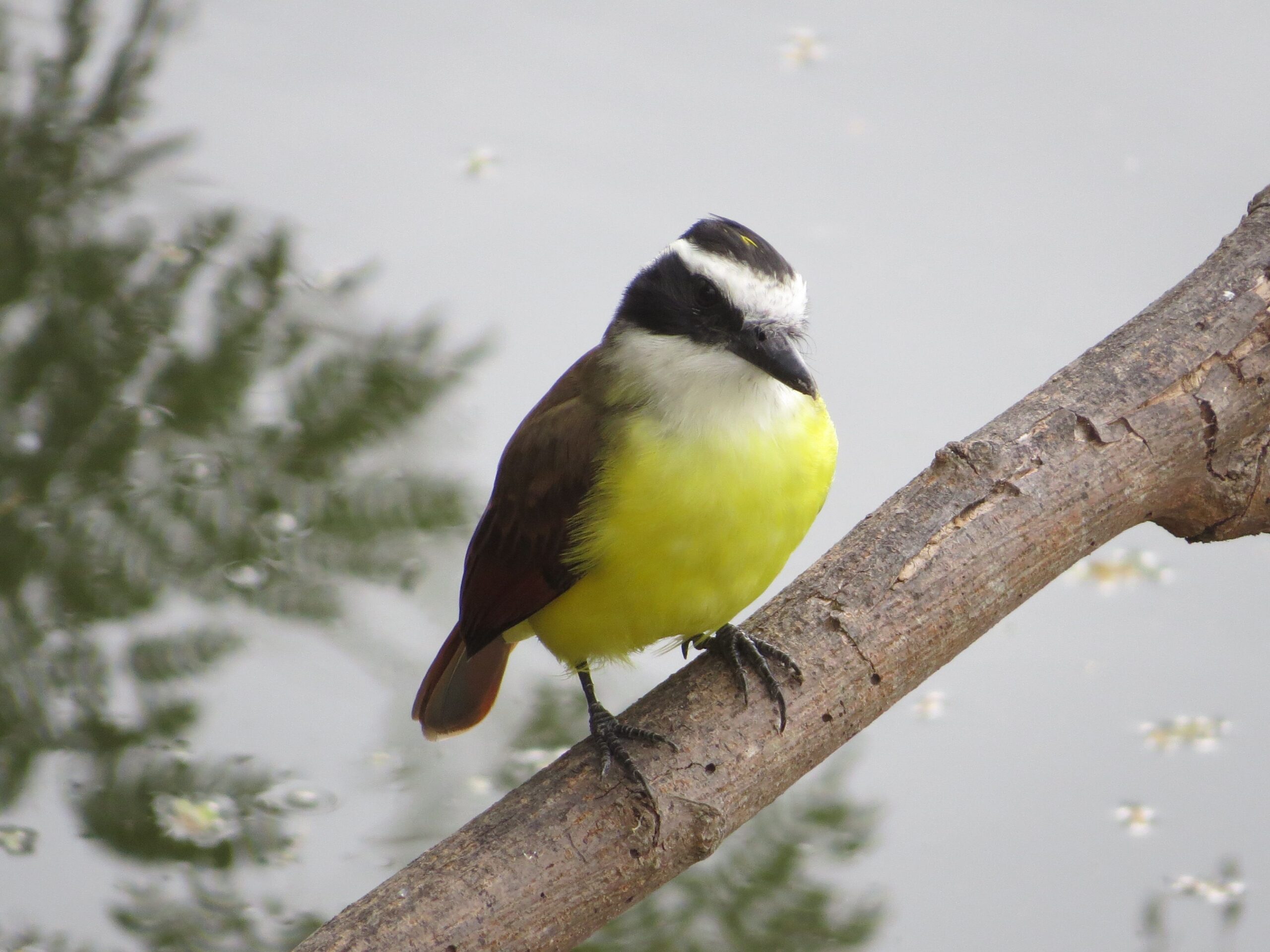
The Show-Off: With its bright yellow belly, black and white head, and red crest, the Great Kiskadee is impossible to miss. Its name comes from its loud call: “Kiss-ka-dee!”
| 🔊 Sound | 📍 Where | ⭐ Why Famous | 📸 Photo Tip |
| Kiss-ka-dee! | Open woodlands | South Texas ONLY | Blue sky background |
🟩 Green Jay
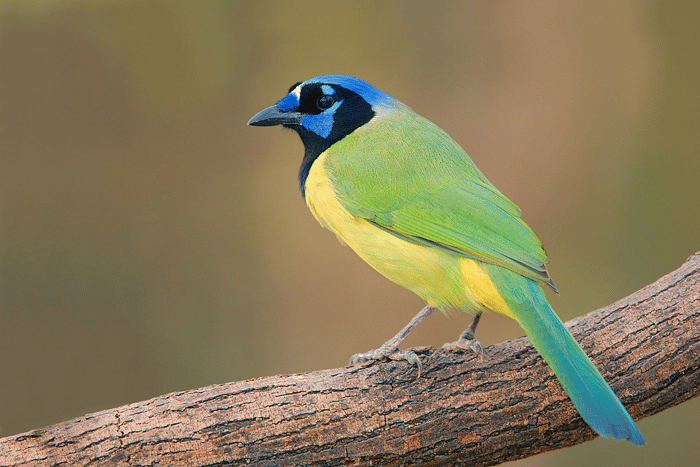
The Jewel: Electric green and blue plumage makes Green Jays look like they flew straight out of the tropics. They’re loud, social, and absolutely stunning.
| 🔊 Sound | 📍 Where | ⭐ Why Famous | 🎯 Behavior |
| Loud chatter | Mesquite groves | RGV exclusive | Small flocks |
🩷 Roseate Spoonbill

The Pink Wonder: Unbelievably pink plumage and a spoon-shaped bill make Roseate Spoonbills one of the most visually striking birds in North America.
🔴 Scarlet Tanager

The Red Jewel: Brilliant red body with black wings (males). One of the most breathtaking color combinations in nature.
🌈 Painted Bunting
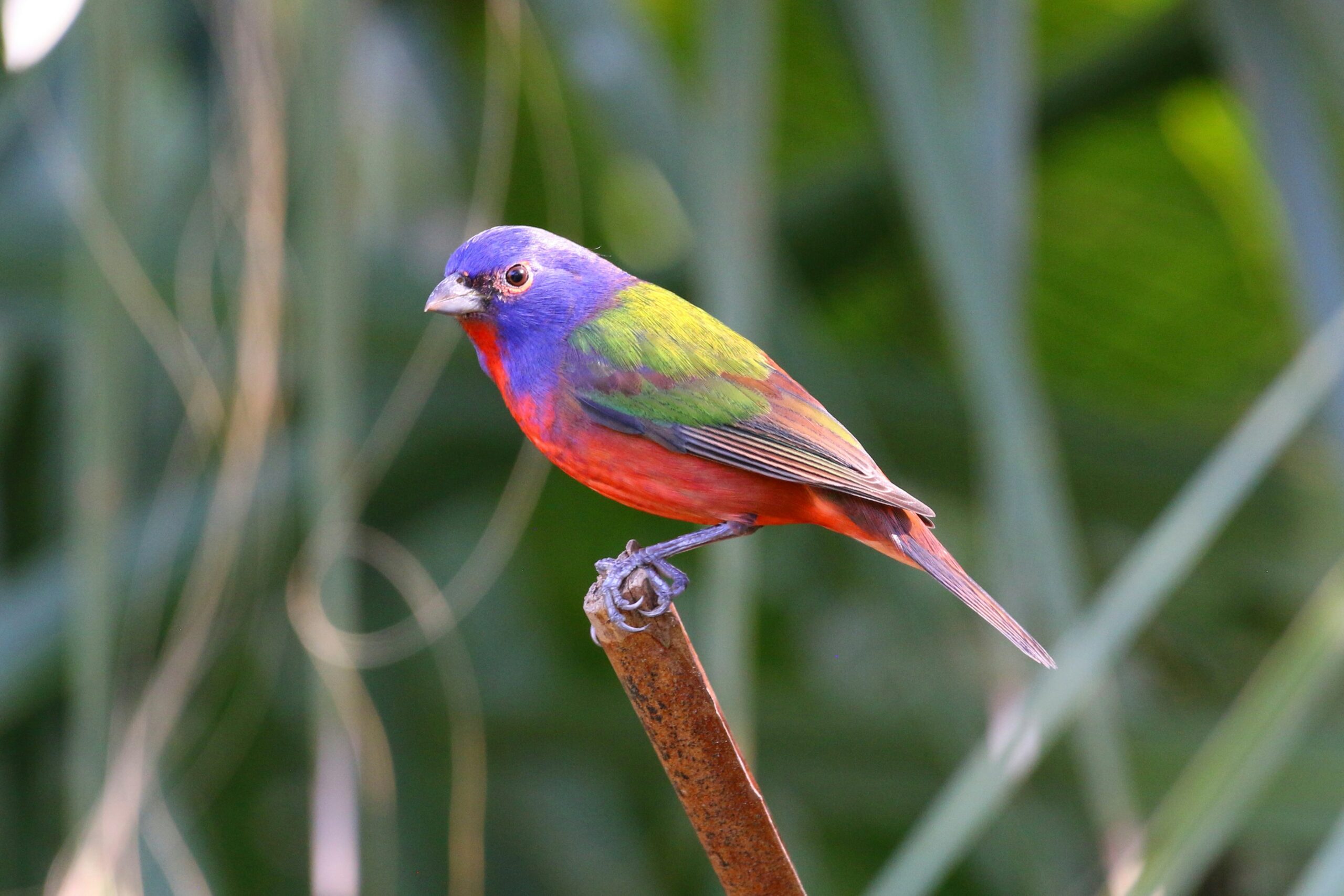
The Most Beautiful: An explosion of color—purple head, green back, red belly (males). Often called “the bird of many colors.”
Why November is the BEST Month to Visit
Birds migrating south from Canada hit Rio Grande Valley as a natural stopping point. They fly at night, stop to rest and refuel, eat berries and insects for energy, then continue south. This creates a concentration point where you see birds from multiple geographic populations all at once—which is why November is absolutely peak.
Weather in November: 70-80°F (comfortable for long days of birding), dry season (less rain), light winds (good for spotting behavior), and shorter days = more active bird behavior in daylight.
Where to See These Birds
🌟 Santa Ana National Wildlife Refuge — Protected habitat, consistent activity. Best: Early morning (6-10 AM). See: Green Jays, Kiskadees, warblers.
🌊 Laguna Atascosa — Coastal habitat brings waterbirds. Best: Early morning. See: Herons, egrets, Roseate Spoonbills.
🏝️ South Padre Island — Diverse habitats, coastal and terrestrial birds. Best: All day. See: Beach birds, warblers, shorebirds.
Common Questions (Answered)
No! Birds are SO diverse and visible you’ll learn by seeing.
Unlikely in November. Rain makes birds MORE active.
Absolutely! Green Jays, Kiskadees, Buntings are all visible.
Best birding: 5:30-6:00 AM for peak activity.
What Real Guests Say
“This was a great experience for a couple of backyard birders. Trip was well organized—excellent restaurants and lodgings. Saw many birds we only saw in books! Great value and highly recommended!”
— Ron K., Galveston Spring Migration, 2026
“On the first day Bob took us to 8 Mile Road—full of birds. We had a reddish egret put on a complete show. On the final evening at Lafitte’s Cove Bob pointed out a Scarlet Tanager, Summer Tanager and Painted Bunting. Grand finale to a great tour.”
— Sonja N., Galveston Spring Migration, 2026
Ready to Experience the
Greatest Bird Migration on Earth?
Rio Grande Valley in November is the single best month for
birding in North America. Expert guides, small groups, all-inclusive, guaranteed 50+ species.